Call of Beauty Med Spa Encinitas - Botox and Medical Grade Facials
Skin ResurfacingEncinitas, CA

Microneedling vs Chemical Peel: How to Decide Which Resurfacing Treatment Fits

A decision guide for picking between microneedling and a chemical peel. How each one works, which concerns each treats, downtime reality, and when to rotate both for better skin.

Olga Brener, RNOlga Brener, RN
April 21, 2026
9 min read
Encinitas + North County

Updated April 21, 2026. Educational guidance from Call of Beauty Med Spa for Encinitas and North County patients comparing treatment options, pricing, and next steps.

Microneedling vs Chemical Peel: How to Decide Which Resurfacing Treatment Fits

Quick Answer

Microneedling vs chemical peel: which one do you actually need?

Pick microneedling when your concern is structural — acne scars, rough texture, enlarged pores, or collagen loss. Pick a chemical peel when your concern is surface — pigmentation, melasma, sun damage, dullness, or uneven tone. Downtime and Fitzpatrick type break the tie. These treatments are not interchangeable — they solve different problems, and the honest answer for many patients is both, rotated.

For the full product breakdown: microneedling treatments and chemical peel treatments.

The 3-Question Decision Framework

Most patients overthink this choice. Three questions get you most of the way to the right answer.

1. Is your main concern structural or surface-level? Structural means the skin's architecture is the problem: atrophic acne scars, rolling or boxcar scarring, rough texture, enlarged pores, laxity from collagen loss. Surface-level means the skin looks uneven but feels normal: melasma, sun spots, post-acne pigmentation, dullness, blotchy tone. Microneedling rebuilds structure. Peels rework the surface. If you guess wrong, you waste a series.

2. How much downtime can your calendar actually absorb? Microneedling means 24 to 72 hours of sunburn-like redness and light flaking. A zero-downtime peel like BioRePeel fits into a lunch break. A corrective peel like the ZO 3-Step means 3 to 5 days of visible peeling. If you have events, meetings, or photos inside a week, that eliminates half the menu before you start.

3. What is your Fitzpatrick skin type? Fitzpatrick I through III tolerates almost anything. Fitzpatrick IV through VI needs careful evaluation — aggressive microneedling and deeper peels both carry post-inflammatory hyperpigmentation risk for melanin-rich skin. The right answer for darker skin is rarely "the most aggressive option" — it is usually a gentler treatment done more consistently.

Answered structural, with downtime available, any Fitzpatrick → microneedling. Answered surface, short or no downtime, careful Fitzpatrick evaluation → peel. Answered "both concerns" → keep reading, the rotation section is for you.

How Each Treatment Actually Works

These two treatments take opposite approaches to the same goal: triggering your skin to repair and renew itself. Understanding the mechanism is the fastest way to match them to the right concern.

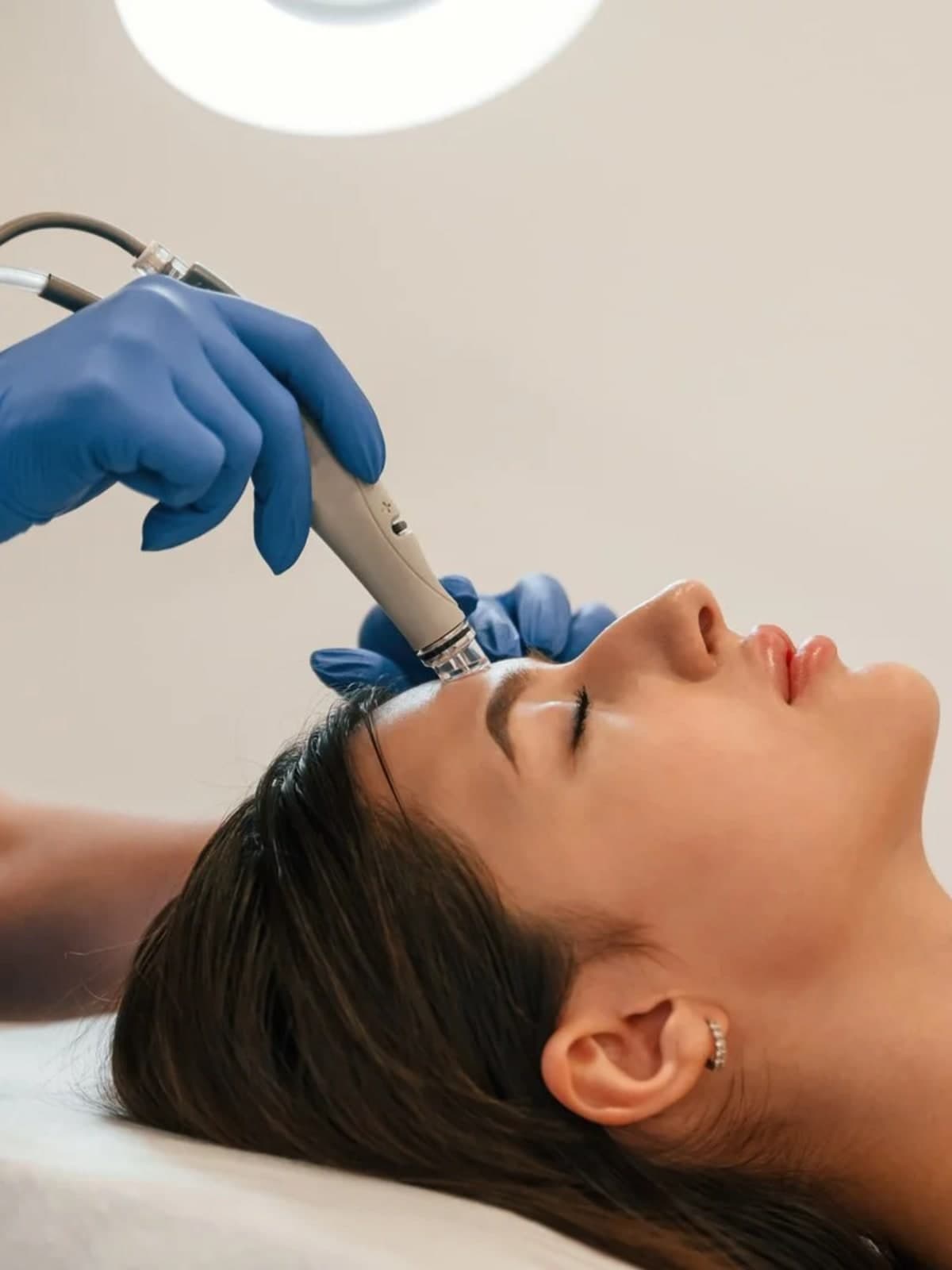
Microneedling uses a pen device fitted with tiny sterile needles to create thousands of controlled micro-channels in the skin. Your body reads those micro-channels as injuries and floods the area with collagen and elastin — the proteins that keep skin firm, smooth, and tight. The new tissue that forms is thicker and more organized than what was there before. Depth is adjustable. A shallow pass treats tone and pore size. A deeper pass reaches acne scar tissue and breaks it up so the collagen response fills it in. The results build over 4 to 6 weeks and continue improving with each session.

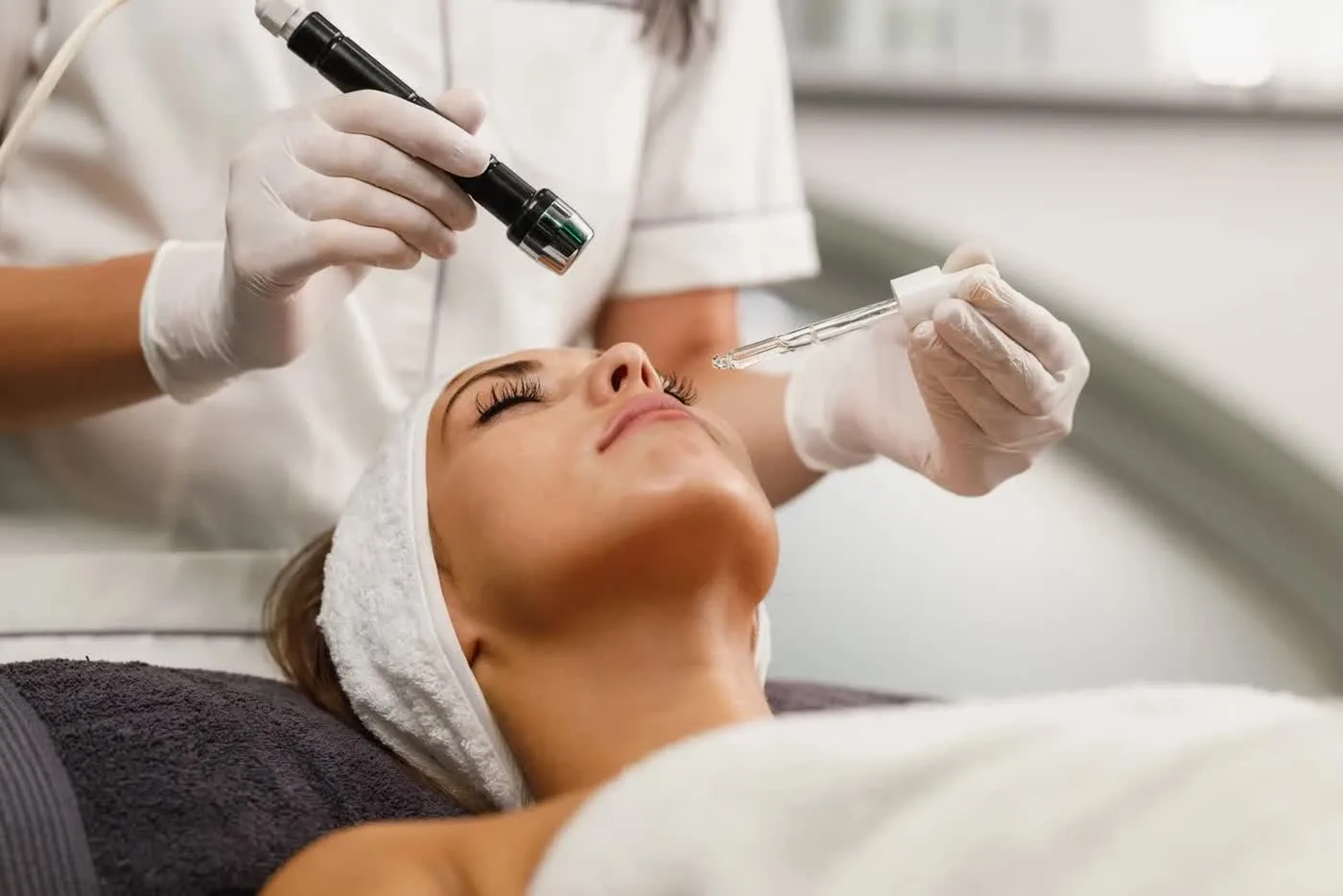
Chemical peels use acid solutions to dissolve the outermost skin layers. As damaged cells shed, fresh cells replace them, and the pigment that was trapped in those old layers goes with them. The acid type and concentration determine depth. A light biphasic peel works at the surface with no visible flaking. A stronger corrective peel reaches the papillary dermis and produces visible peeling for several days. The result is more even tone and brighter skin — but the skin's structural architecture is largely unchanged.

The short version: microneedling builds, peels resurface. Neither one is universally "better." The right pick depends entirely on what you are trying to fix.

Microneedling: Controlled Micro-Injuries

Sterile needles create micro-channels at adjustable depths. Your body responds by producing collagen and elastin. Best for structural concerns: acne scars, texture, pores, laxity. Results build over 4 to 6 weeks.

Chemical Peels: Acid Exfoliation

Acid solutions dissolve the outermost layers so fresh, more even cells replace them. Best for surface concerns: pigmentation, melasma, sun damage, dullness. Depth ranges from zero-downtime to several days of visible peeling.

Concern-by-Concern Breakdown

Matching Treatment to Skin Concern

Your specific concern should drive the decision. Here is what we recommend based on what walks into the treatment room.

The Downtime Reality

Downtime is usually the tiebreaker when concern and Fitzpatrick type both point to a close call. Be honest with yourself about what your calendar can absorb before booking.

Microneedling downtime is moderate and predictable. Expect sunburn-like redness for 24 to 72 hours and light flaking on days 2 and 3. Most patients apply mineral makeup after 24 hours and are back to normal by day 3. Deeper passes for acne scars extend that window slightly. Adding exosomes or PRP to the treatment actually shortens recovery because those growth factors calm inflammation faster.

Chemical peel downtime varies enormously by peel type. A biphasic no-downtime peel produces 30 to 60 minutes of mild flushing and you walk out glowing — makeup allowed same day. A professional corrective peel like a TCA- and retinol-based 3-step peel produces 3 to 5 days of visible peeling, with skin flaking and shedding in sheets on days 2 through 5. That peeling is not painful, but it is very visible. Plan it around a quiet weekend or a stretch of working from home.

The practical rule: if anything important is happening in the next 7 days, rule out the corrective peel. If nothing important is happening for 10 to 14 days, any option is on the table.

Downtime Is Not Optional for Corrective Peels

Sunscreen is non-negotiable during and after deeper peels. Skin is thinner and more photosensitive while new cells form. Mineral SPF 30 or higher, reapplied. Skipping this step is how patients undo a peel's benefits within weeks.

Fitzpatrick Type and Safety

Skin tone changes the calculus. The Fitzpatrick scale is a six-point scale of how skin responds to UV — I is very fair, VI is deeply pigmented. The higher the number, the more melanin, and the more caution required for any resurfacing treatment.

Fitzpatrick I through III. Almost every treatment is on the table. Microneedling at standard depths, light peels, and corrective peels are all generally safe with proper technique. Concerns focus on healing time and sun exposure.

Fitzpatrick IV through VI. Melanin-rich skin carries a real risk of post-inflammatory hyperpigmentation (PIH) — dark spots that appear after inflammation and can take months to fade. Aggressive microneedling and deeper peels both can trigger it. That does not mean no treatment — it means the right treatment done by someone experienced with your skin type. Gentler depths, careful product selection, and longer spacing between sessions become the default. A biphasic zero-downtime peel is often safer than a deeper corrective peel. A shallow-to-moderate microneedling session is often safer than the deepest setting.

The consultation matters more here than anywhere else in aesthetic medicine. Before booking either treatment, ask the provider specifically how they adjust their protocol for your Fitzpatrick type. A vague answer is a red flag.

The Rotation Strategy

The most useful thing we tell patients stuck choosing between microneedling and a peel: you do not have to pick one. The two treatments work at different layers and complement each other when rotated.

A rotation that works well for most patients: alternate monthly. Month 1 is a light peel to clear surface cells, congestion, and pigmentation. Month 2 is a microneedling session to drive collagen production into the now-clearer canvas. Month 3 is a peel again. Continue for 6 months and the results compound — brighter, smoother, and structurally firmer skin than either treatment delivers alone.

For heavier correction: book one or two deeper corrective peels per year alongside quarterly microneedling. The corrective peels knock out stubborn pigmentation. The microneedling builds the collagen base that makes the peel results last longer. Spacing matters — wait at least 2 weeks between any peel and microneedling session to let the skin barrier restore.

Call of Beauty
Professional skincare treatment in progress

Who Should Pick Which

Microneedling Is Your Pick If...

  • Your main concern is acne scarring or textured skin
  • You are losing firmness and want collagen rebuilding
  • You can take 24 to 72 hours of mild redness
  • You want results that compound structurally over a series
  • You are comfortable with a pen-and-needle treatment under numbing
  • You want to pair with exosomes or PRP for faster recovery

Chemical Peel Is Your Pick If...

  • Your main concern is pigmentation, melasma, or sun damage
  • You want immediate brightness for an upcoming event
  • You need zero downtime (pick a biphasic peel)
  • You have stubborn tone issues that need deeper intervention
  • You prefer a topical acid application with no needles
  • You want a monthly maintenance treatment that fits your schedule

When Neither Is the Right Call

Honest answer from an RN: a resurfacing treatment is the wrong call more often than you would think. If any of these apply, you will get a better outcome from a different plan — or from pausing entirely.

Active cystic acne. Both treatments on inflamed, broken skin worsen scarring and trigger post-inflammatory pigmentation. Control the breakout first, treat the scarring and pigmentation after. This is a 2 to 3 month pause, not a permanent no.

Rosacea or heavily reactive skin. Acids and needles both flare reactive barriers. Strengthening the skin barrier with medical-grade topicals (niacinamide, ceramides, calming actives) should come first. Many rosacea patients eventually tolerate gentle treatments after 3 to 6 months of barrier work.

Recent isotretinoin (Accutane). Most clinicians wait 6 to 12 months after your last dose before any peel or microneedling session. Skin heals unpredictably during and immediately after Accutane treatment.

Pregnancy or breastfeeding. Many peel acids are not cleared for pregnancy, and microneedling carries infection risk most practices will not accept during pregnancy. Safer alternatives exist (gentle professional facials, medical-grade topicals); the resurfacing treatments wait.

Keloid-prone skin (for microneedling). Patients with a history of keloid or hypertrophic scarring should skip microneedling entirely. The controlled injury that drives collagen production in typical skin can trigger keloid formation in predisposed patients. A careful peel may still be on the table — microneedling is not.

Deep structural concerns that need surgery. Significant jowling, heavy skin laxity, or jowled neck are not skin-deep problems. No peel or microneedling session resolves them. A consultation with a plastic surgeon is the honest answer for those goals.

If none of these apply, one of the paths above fits your skin. If one does, raise it in the consultation before booking anything. A good provider will steer you away from treatments that will not serve you.

Pricing Reference

Quick Pricing Reference

For planning purposes. Final pricing is confirmed in consultation.

$550
DP4 Microneedling
Standard collagen induction session. Buy 3 get 1 free.
$550
Microneedling with Exosomes or PRP
Faster recovery, stronger results. Buy 3 get 1 free.
$325
Biphasic Peel (No Downtime)
Lunchtime option. Immediate glow, no visible peeling.
$395
Corrective 3-Step Peel
Deeper pigmentation correction. Plan for 3 to 5 days of peeling.

Considering a Skin Resurfacing Consultation in Encinitas or San Diego?

"Microneedling or peel" is a decision you make with an RN looking at your actual skin — not at a blog. The right call depends on your Fitzpatrick type, your specific concerns, your scarring history, and how much downtime your life can absorb. That is not a judgment a comparison table can make for you.

Our RN team will walk you through both treatment families, explain what each will and will not do for your situation, and build a plan (single treatment, rotation, or something else entirely) around what your skin actually needs. If neither is the right call, we will say that. Book a consultation and we will sort it out from there — and if you want the specific device that anchors our scar-focused work, see the DP4 microneedling session directly.

Frequently Asked Questions

Microneedling vs Chemical Peel: Common Questions

Direct answers on concern, downtime, and which treatment fits

Ready to Plan Your Skin Resurfacing?

Tagged

Topics Covered

MicroneedlingChemical PeelsSkin ResurfacingDecision Guide

Important Note

Medical Guidance Matters

This content is educational only and should not be treated as medical advice. The right treatment plan depends on an in-person consultation with a qualified provider who can evaluate your anatomy, health history, goals, and timing.

Need a Personalized Plan?

Schedule Your Consultation

Our RN-led team will walk through pricing, timing, candidacy, and the most natural-looking path forward for your goals.