




Quick Answer
Lip flip vs lip filler: which one do you need?
A lip flip relaxes the muscle above your upper lip so more of the lip you already have rolls outward. Filler adds volume, shape, and border definition. Pick the flip for a subtle change or a gummy smile, filler for real volume or asymmetry. And if you're carrying migrated or overfilled product from a past appointment, dissolving it usually comes before either.
For products, technique, and current pricing, see our lip filler treatment page.
People say "lip flip vs lip filler" like it's one decision, but they aren't two versions of the same treatment. One is a neurotoxin. One is a gel. They change different things, they last wildly different amounts of time, and the right answer depends less on which sounds better and more on what your lips are doing right now.
I inject both every week at our Encinitas studio, and there's a third conversation that comes up almost as often as the first two: what to do about filler that's already there and shouldn't be. So this guide covers all three honestly, including the parts that make people cancel.
Show More Lip, or Add More Lip
This is the whole decision in one sentence.
A lip flip uses a few units of Botox (4 to 6, typically) placed into the orbicularis oris, the ring of muscle that circles your mouth. When the top edge of that muscle relaxes, the upper lip unrolls slightly and shows more pink. Nothing is added. Your lip doesn't get bigger; you just see more of the one you have. That's why it works so well for a gummy smile or an upper lip that vanishes when you grin.
Lip filler is hyaluronic acid gel placed inside the lip itself. It adds real volume, sharpens the border, and can correct asymmetry between the top and bottom lip. The FDA regulates these gels as medical devices, and the products we reach for most, Juvederm Volbella and Restylane Kysse, are both designed specifically for lip tissue, soft enough to move when you talk.
If your lips are naturally thin and you want them fuller, a flip will disappoint you. It can't add what isn't there. If your lip shape is fine and you just want more of it to show, filler may be more change than you're after. Neither is the upgrade version of the other.
How Long a Flip Lasts, According to Our Own Books
The published research on lip flips is thinner than you'd expect for something this popular. A 2025 systematic review found the effect is real but modest, with most studies reporting six to ten weeks of duration. A smaller prospective study measured the change objectively: a visible but slight increase in upper lip height, with high patient satisfaction.
Our appointment book tells the same story. Over the past twelve months we performed 70 lip flips, and among the patients who came back for another, the median gap between sessions was 79 days. Call it eleven weeks. That lines up almost exactly with what the literature predicts, and it's the number I quote in consults because it's ours.
One more thing the research gap reflects: the lip flip is an off-label use of Botox. The FDA approval covers areas like frown lines, crow's feet, and the forehead; placing a few units at the lip border is a widely practiced off-label application, which is legal, common, and exactly why the published data on it is thinner than for approved treatment areas. Any injector who tells you otherwise hasn't read the label.
Eleven weeks is short. Filler, by comparison, holds six to twelve months. So the flip is not the budget version of filler; it's a different product with a different clock. Where that short clock helps you: the flip is the single best low-commitment way to preview what a fuller-looking upper lip does for your face. If you love it, great. If you don't, it's gone by autumn either way.
The Straw Test, and Other Things Nobody Posts
Here's the part the before-and-after photos skip. For the first few weeks after a flip, while the Botox is at full strength, the muscle you use to purse your lips is partially offline. Patients notice it most with:
- Straws. Sipping takes more effort, and some people give up and use a cup.
- Whistling. Mostly gone until the toxin fades.
- "P" and "B" sounds. A slight clumsiness saying them, especially in weeks two through four.
- Spitting after brushing your teeth. Sounds trivial until you can't do it neatly.
None of this is dangerous, and all of it resolves as the Botox wears off. But if you play a wind instrument, sing professionally, or do anything else where lip seal is your livelihood, a flip is the wrong treatment for you, full stop. I'd rather tell you that here than after you've booked.
Filler has its own honest downsides: swelling for a few days, bruising that can take a week or two to fade, and tenderness while it settles. The rare but serious risk with any filler is vascular occlusion, which is why who injects you matters far more than which product they use. It's also why we keep hyaluronidase, the dissolving enzyme, in every treatment room.
Flip First, Filler First, or Both at Once
"Which should I get first" is one of the most searched versions of this question, and the answer depends on what you're testing.
If you're filler-curious but nervous, the flip is a genuinely good test drive. Small dose, subtle result, gone in under three months. A number of our flip patients use it exactly this way before committing to a syringe.
Worth knowing, though: across our book, flip patients aren't mostly filler patients in waiting. The treatment they pair with a flip most often is regular Botox, because it's the same product and the same appointment. Filler comes second. And filler appointments outnumber lip flips across our practice by roughly ten to one, so for all the attention the flip gets on social media, it's a small slice of real-world lip work.
You can also do both in one visit. The flip relaxes the upper lip so more surface shows; the filler shapes and volumizes that surface. One appointment, one numbing session, and the combined result reads fuller than either alone while still moving naturally. It's the right call most often for a thin upper lip plus a gummy smile, because each treatment handles the half the other can't.
The Third Option: Dissolving What's Already There
Some of the most important lip appointments in our studio involve taking product out, not putting it in. We ran about 30 filler dissolve treatments in the past year, a steady two to three every month, and most of them started with filler placed somewhere else.
The usual reason is migration: filler that has drifted past the lip border and created a soft ridge or "shelf" above the upper lip. Lips have small, stretchable compartments, and overfilling them pushes product past its boundary. Once that's happened, adding more filler on top makes the problem worse, not better. The fix is hyaluronidase (we use Hylenex), an enzyme that breaks down hyaluronic acid filler without touching your own tissue. Olga's guide to what it costs to dissolve filler walks through the vial math and what the first two weeks look like.
Here's the analogy I use with patients, and why a dissolve recommendation is never an upsell:
Why Overfilling Causes Lip Filler Migration
The science behind lip filler migration, explained with an everyday analogy, plus why dissolving old filler first is sometimes the key to natural results.
Key Takeaways
- 1
Lip Compartments Are Small
Your lips have delicate, stretchable compartments that can only hold so much filler before product migrates past the lip border.
- 2
Overfilling Causes Migration
Too much filler in a single session pushes past natural boundaries and creates the 'shelf' above the lip line.
- 3
Dissolving First Produces Better Results
Existing migrated filler needs to come out before new filler goes in. A clean foundation creates a natural, long-lasting result.
Olga Brener, RN · Expert Insight
“Recommending a dissolve is never about upselling. It is about giving you the most natural outcome possible.”
And here's what the procedure looks like in real time. It takes about two minutes:
Filler Dissolve: Quick Lip Migration Correction
Olga Brener dissolves migrated lip filler using Hylenex. The procedure takes one to two minutes.
Key Takeaways
- 1
Hylenex Targets Only Filler
The enzyme breaks down HA filler without touching natural tissue, elastin, or collagen.
- 2
Results in 48 Hours
Skin feels dry briefly, then normalizes in 3 to 4 days as natural tissue reveals itself.
- 3
Quick and Comfortable
Dissolving takes 1 to 2 minutes. Many patients skip numbing entirely.
Olga Brener, RN · Expert Insight
“Hylenex is predictable and safe. It only targets the filler, and your natural tissue bounces back within days.”
If you had filler placed elsewhere and something about it bothers you (a ridge, firmness, a puffy look that photographs worse than it feels), start with a dissolve consultation rather than shopping for more filler. Needing a dissolve isn't a failure. It's step one of the result you wanted the first time.
Who I Talk Out of All Three
Plenty of good outcomes in this category are the treatments that don't happen.
You're matching a reference photo. If the goal is a specific influencer's lips, the consult usually ends with me explaining why anatomy isn't transferable. A good result is built on your face. A copied result is how migration stories start.
Active cold sores. Injecting near an active outbreak can spread it. We treat with antivirals and wait for full healing first, usually two to four weeks.
Pregnancy or breastfeeding. Elective injectables wait. This one isn't controversial among clinicians.
Unassessed old filler. If you've had lip filler in the past two years, any new plan starts with looking at what's still in there. HA filler routinely outlasts its advertised lifespan.
Someone else wants this for you. A partner, a comment section, a group chat. If you can't say what you want changed in your own words, wait. The flip fades in weeks, but filler is a year-long commitment, and dissolving it early is a procedure of its own.
Questions From Lip Consults
What's the difference between a lip flip and lip filler?
Does a lip flip or lip filler last longer?
Does a lip flip or lip filler hurt more?
Is a lip flip or filler better for a gummy smile?
Is a lip flip or lip filler safer?
Is a lip flip a good way to test before getting filler?
How do I know if my old filler needs to be dissolved?
Where to Go From Here
A blog post can teach you the difference between these treatments, but it can't look at your lips. Which one you need comes down to your anatomy, what's already in there, and what you want to change, and that's a conversation with an injector, not a search result.
Call of Beauty is an Allergan Diamond Provider, which puts our practice in the top 1 percent of U.S. injectable volume, and the honest answer in a consult is sometimes a flip, sometimes a syringe, sometimes a dissolve, and sometimes nothing at all. If you're weighing your options, start with a lip filler consultation in Encinitas, or read the San Diego lip filler guide if you're coming from further south.
The Research Behind This Guide
- The lip flip: a systematic review of botulinum toxin lip augmentation (PubMed)
- The use of botulinum toxin A in upper lip augmentation (PubMed)
- FDA: Dermal Fillers (Soft Tissue Fillers)
- American Society of Plastic Surgeons: Lip Augmentation
This article is for educational purposes and reflects our clinical approach at Call of Beauty Med Spa in Encinitas, CA. It is not individual medical advice, individual results vary, and you should consult a licensed provider about your own health history before treatment. Practice statistics are aggregate, anonymized figures from our appointment records for the twelve months ending August 2026.
Keep reading
More honest, RN-written guides on injectables and skin treatments.

Flip, filler, or dissolve first?
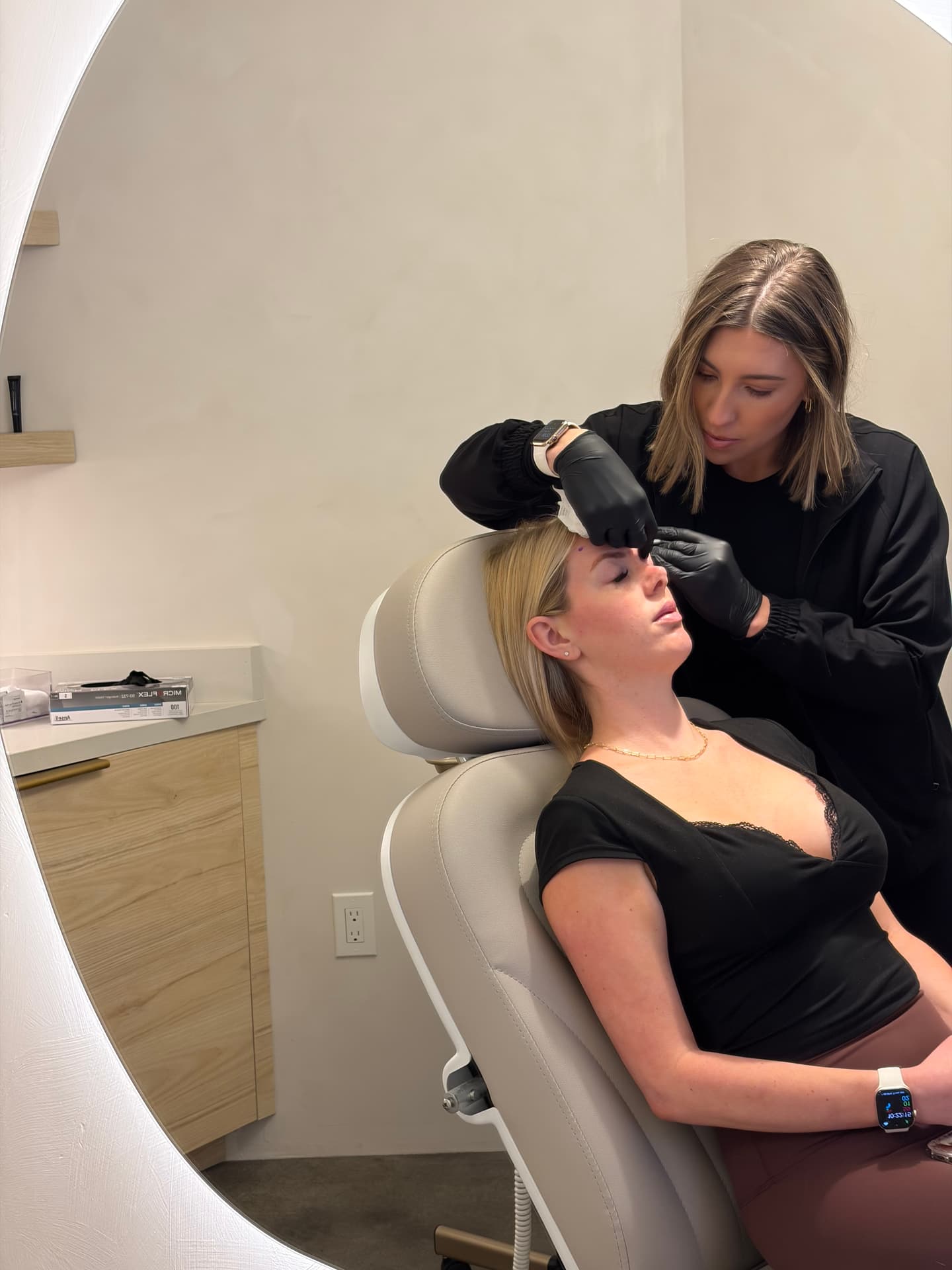
Book a consultation and our RN injectors will look at your lips with you, explain what's driving what you see, and tell you honestly which of the three (if any) fits.